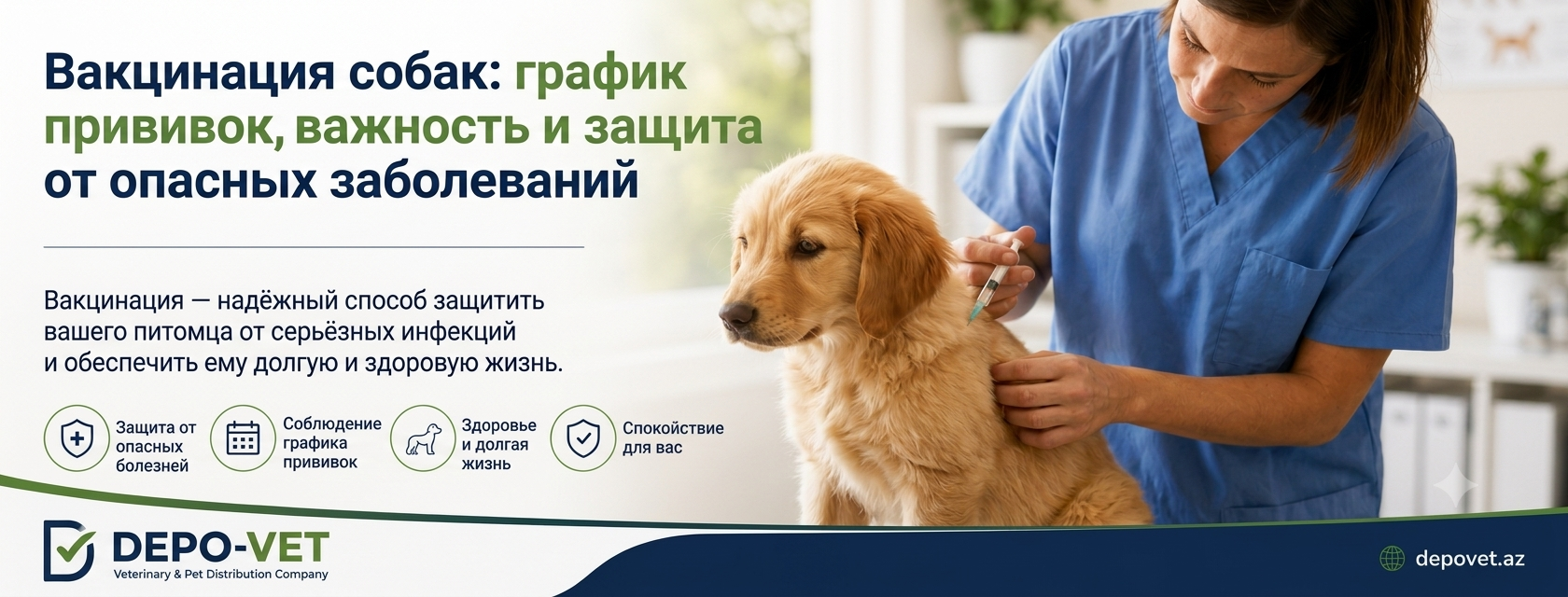
Dog Vaccination: Vaccination Schedule, Importance, and Protection Against Dangerous Diseases
Dog vaccination is one of the most important preventive procedures that helps protect pets from dangerous infectious diseases. Timely vaccinations help build immunity and significantly reduce the risk of infection from viruses and bacteria, many of which can lead to serious complications or even death.
Why Is Vaccination Necessary?
Puppies are born with an immature immune system and are particularly vulnerable to infections. Even adult dogs require regular booster vaccinations to maintain strong immunity and ongoing protection.
Benefits of Vaccination:
- Protection against life-threatening diseases.
- Reduced risk of complications and costly treatments.
- Development of long-lasting immunity.
- Improved safety for other animals.
- Protection of owners from certain zoonotic diseases.
What Diseases Do Vaccines Protect Against?
Modern combination vaccines help protect dogs from:
- Canine Distemper.
- Parvoviral Enteritis.
- Adenovirus Infection (Infectious Canine Hepatitis).
- Canine Parainfluenza.
- Leptospirosis.
- Rabies.
Puppy Vaccination Schedule
A typical vaccination schedule is as follows:
First Vaccination
Age: 6–8 weeks
Second Vaccination (Booster)
Age: 9–12 weeks
Rabies Vaccination
Age: 12–16 weeks
Annual Booster Vaccination
Administered once a year to maintain immunity.
It is important to remember that the exact vaccination schedule should be determined by a veterinarian based on the dog's age, health condition, and living environment.
Preparing for Vaccination
Before vaccination, it is recommended to:
- Perform deworming 10–14 days in advance.
- Ensure that the dog is clinically healthy.
- Avoid stressful situations and excessive physical activity.
- Have the dog examined by a veterinarian.
Possible Reactions After Vaccination
In most cases, vaccination is well tolerated. However, some dogs may experience:
- Mild drowsiness.
- Reduced activity for 1–2 days.
- Slight swelling at the injection site.
- Temporary increase in body temperature.
If a severe allergic reaction occurs, seek veterinary assistance immediately.
Conclusion
Regular vaccination is a reliable way to protect your dog from dangerous infectious diseases and ensure a long, active, and happy life. Do not miss scheduled vaccinations, and consult your veterinarian to create an individual vaccination plan tailored to your pet's needs.